
Imagine zipping up steep hills at 30 mph on your mountain bike. That’s the rush of a 3000W e-bike. This guide walks you through turning a standard hardtail into a beast using a Giant Talon large frame with 29-inch wheels. We use the new Kirby Bike kit for this build. It packs serious power without major headaches. Stick around to learn every step, from picking parts to racing the finished ride.
Compatibility and Component Deep Dive
Assessing Your Bike for a 3000W Conversion
Most hardtail mountain bikes work well for this upgrade. Aluminum frames with open dropouts fit best. These let the wheel slide right in. Carbon frames often have closed dropouts. They block the hub motor. Skip those to avoid fit issues.
Medium frames might squeeze the battery. Large frames give plenty of room. Check your bike’s size first. This kit handles up to 12-speed cassettes. No need to downgrade your gears. Test fit before buying. It saves time and frustration.
The Kirby Bike 60V 3000W Kit Breakdown
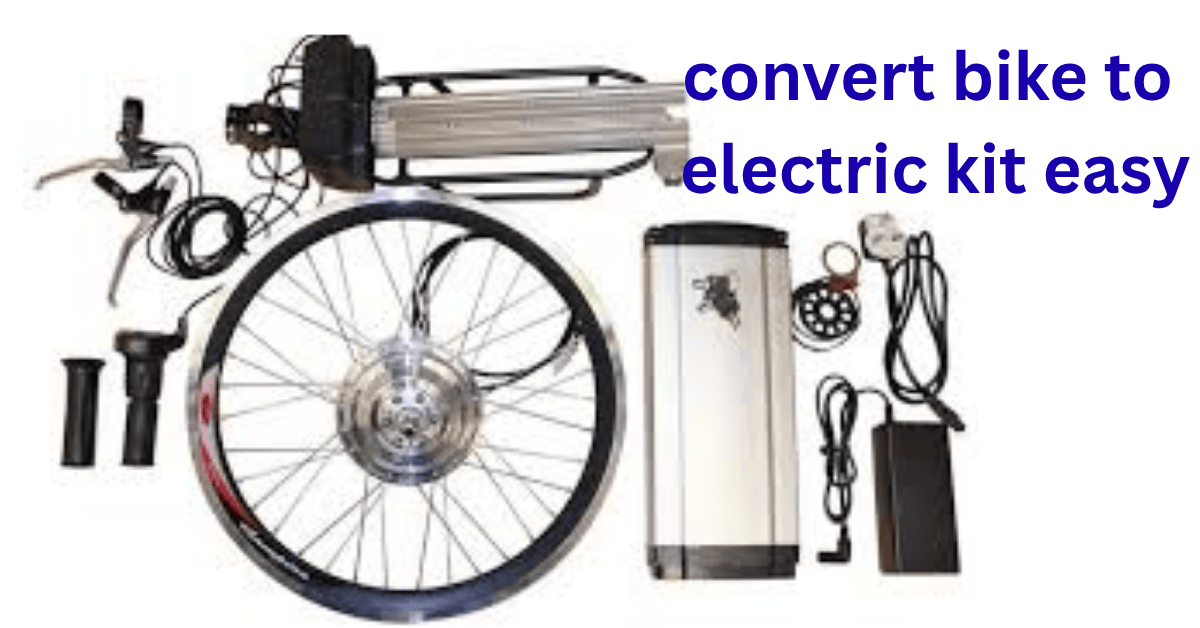
The heart of this build is the 60V battery. It holds 20Ah with LG 21700 cells. A 60A BMS keeps things safe and steady. The shape is compact. It slots into many frames without bulk. Press the power button for battery level. Charge your phone via the USB port on the side.
Other parts shine too. The color display shows speed and mode. The thumb throttle gives smooth control. Everything feels high quality. This kit pushes 3000W but stays reliable. No overheating worries here.
Selecting the Optimal Hub Motor Wheel for 3000W
We pick a 2000W hub motor rim for this 3000W setup. It handles the extra juice fine. Smaller size means lighter weight. It fits bike frames better than big 3000W or 5000W motors. Those suit motorcycles more.
Cables stay thin. No routing problems. The cassette body fits 9 to 12 speeds easy. Older 3000W wheels max at 8 speeds. That limits modern bikes. Upgrade your old 2000W wheel? Just add the battery, controller, and display. Simple swap.
The Rear Wheel Conversion Process
Tools Required and Initial Preparation
Flip your bike upside down first. Gravity helps drop the heavy hub in. Grab these tools: plastic mallet, torque arm, 19mm spanner, T25 Torx bits, adjustable spanner, chain whip, cassette tool, Allen keys, tire levers, and pump. Lay them out nearby.
Start by removing the stock rear wheel. Use the quick release skewer. Unlever it and unscrew the nut. Slide it out. Keep the spring safe. Jiggle the wheel past the chain. Foot on the saddle if needed. Now harvest parts: tire, tube, cassette, and brake disc.
Removing and Transferring Components to the E-Hub Wheel
Deflate the tire fully. Check the arrow for rotation direction. Cassette side goes clockwise usually. Insert tire levers to break the bead. Pull the tire off. Remove the inner tube carefully. Avoid pinching later.
For the cassette, lock the chain whip on a cog. Fit the cassette tool in the center. Turn anticlockwise with the spanner. Some are tight from factory lock tight. Hold firm. Slide the whole stack off once loose.
Brake disc next. Use T25 Torx on the six bolts. Push down hard. They round easy otherwise. No center lock? Good. Those need special adapters. Clean the disc. Avoid fingerprints. They cause squeals.
Installing the Cassette and Brake Disc on the New Hub Motor
Find the narrow spline on the hub and cassette. Line them up. Slide on spacers and nuts. Hand tighten the lock ring. Pedal the chain to snug it. No full torque needed yet. Spin to check free movement. This 8-speed fits fine. Higher speeds work too.
Remove the plastic spacer behind the disc bolts. It throws off alignment. Feed cables through the hub center. Match holes and thread T25 bolts. Tighten in a star pattern. Go firm but not crazy. Overdo it and heads strip.
Mounting the Hub Motor and Brake System Setup
Axle Alignment and Dropout Fitment
Turn the hub so the cable exits toward the front. Axle flats must face down for dropouts. Brake disc goes to caliper side. Cassette to gear side. Add washers: small one on cassette to avoid clamping. Use two mediums on brake side for cable protection.
Check cassette depth. On 12-speeds, big washers bind gears. Keep it loose. Notch the lock washers to grip dropouts. This stops spin. Orient tabs inward. Now the wheel is ready to slot in.
Securing the Axle and Torque Arm Installation
Remove the brake caliper first. Two Allen bolts on top. Loosen and swing aside. No scratches on frame. Push chain down. Ease axle into dropouts. Go side to side. Use thumbs on hub, fingers on frame.
If slots misalign, tap gently with mallet. Or rotate axle slight. It seats better. Add lock washer and nut. 18mm usually. Tighten firm. Torque arm kit: pick angle for flush fit. Allen from front, nut back. Thread jubilee clip through frame slot.
Caliper Alignment with Brake-Assist System (Torque Arm Integration)
Tighten wheel nuts first. Then snug torque arm bolt. Check motor casing clearance. Need daylight to brake pads. No rub. Squeeze rear lever. Zip tie it pulled. This sets caliper position.
Thread bolts loose. Tighten while lever pulls. Snip zip tie. Spin wheel. Adjust if rubs. Back off half turn for self-align. Good brakes stop this power safe.
Integrating the Battery, Controller, and Controls
Battery Placement and Anti-Vibration Dampening
Mount low on down tube for balance. Remove bottle cage bolts. Flat seat now. Bolt heads poke? Cut inner tube chunks. Tape them down. They cushion vibes and level the pack.
Strap velcro slots around frame. Top and bottom secure it. Test wiggle. No shift. This spot fits medium to large frames. High mount works too. But low feels stable.
Installing Handlebar Controls: Throttle and Display
Loosen right brake and shifter. Slide off grip. Fit throttle below them. Space even. Slide grip back. Tighten all. Left side for display and buttons. Two Allens hold it. Skip rubber spacer on fat bars.
Thumb throttle rolls smooth. Display shows modes clear. Buttons switch power levels. Looks clean. No clutter.
Controller Mounting and Initial Wiring Check
Zip tie controller to battery slot. Two at each end. Connect phase wires with MT60 plugs. Hall sensors too. XT for power. Throttle and display loom up bars.
Power on test now. No zips yet. Check display lights. Throttle responds. Gears shift free. Fixes early save hassle.
Real-World Performance Validation
Tidying the Wiring Loom and Final Assembly
Zip motor cable away from disc bolts. Fray risks short it. Use frame holes. Fewer ties look sleek. Bundle main loom. Velcro wrap behind controller compacts it. Peel off rim stickers for stealth.
Pull slack tight. No loose hangs. Pump tire full. Gears index later if off. Clean build shines.
3000W vs. 2000W Head-to-Head Power Test
Both on level five power. 2000W leads first. Hits quick. But 3000W surges past. Front wheel lifts. Smokes the other easy. Extra volts mean brutal accel. 2000W tops 40 mph. Plenty for most. This pushes harder.
Race shows gap. 3000W floats ahead. No contest. Feels wild.
High-Speed and Hill Climb Testing
Flat run with headwind. Hits 54 mph. Scary fast. Brakes grab sure. Big hill next. Most walk it. This climbs at 30 mph steady. Steepens? Still pulls 31. Passes a pusher easy.
Power conquers grades. Range holds long. Battery shines.
Conclusion:
This Giant Talon now roars as a 3000W e-bike. Key pick: 2000W wheel fits cassettes right. 60V system blasts accel. Careful steps ensure safe fun. You get extreme speed on trails.
Enter the raffle for this bike. Just £2 on the site. Fair chance to own it. Build your own? Start with compatible frame. Test often. Ride safe. Share your builds below.

