
The electric bicycle market has matured rapidly, yet one innovation continues to quietly redefine the riding experience: the belt drive ebike. In the first moments of riding one, the difference feels subtle but meaningful. There is less noise, smoother power delivery, and a sense of mechanical refinement that traditional chain-driven systems struggle to match. As cities become more congested and riders seek low-maintenance, reliable mobility, this design is gaining deserved attention.
A belt drive ebike combines modern electric assistance with a carbon or polymer belt instead of a metal chain. This change may appear minor, but it reshapes durability, comfort, cleanliness, and long-term ownership costs. From daily commuters to weekend explorers, riders are discovering that simplicity can coexist with advanced engineering.
This article explores the belt drive ebike in depth, drawing from practical experience, technical understanding, and real-world riding considerations. Whether you are researching your first electric bike or refining your next upgrade, this guide will help you make an informed decision.
Understanding the Belt Drive System in Ebikes
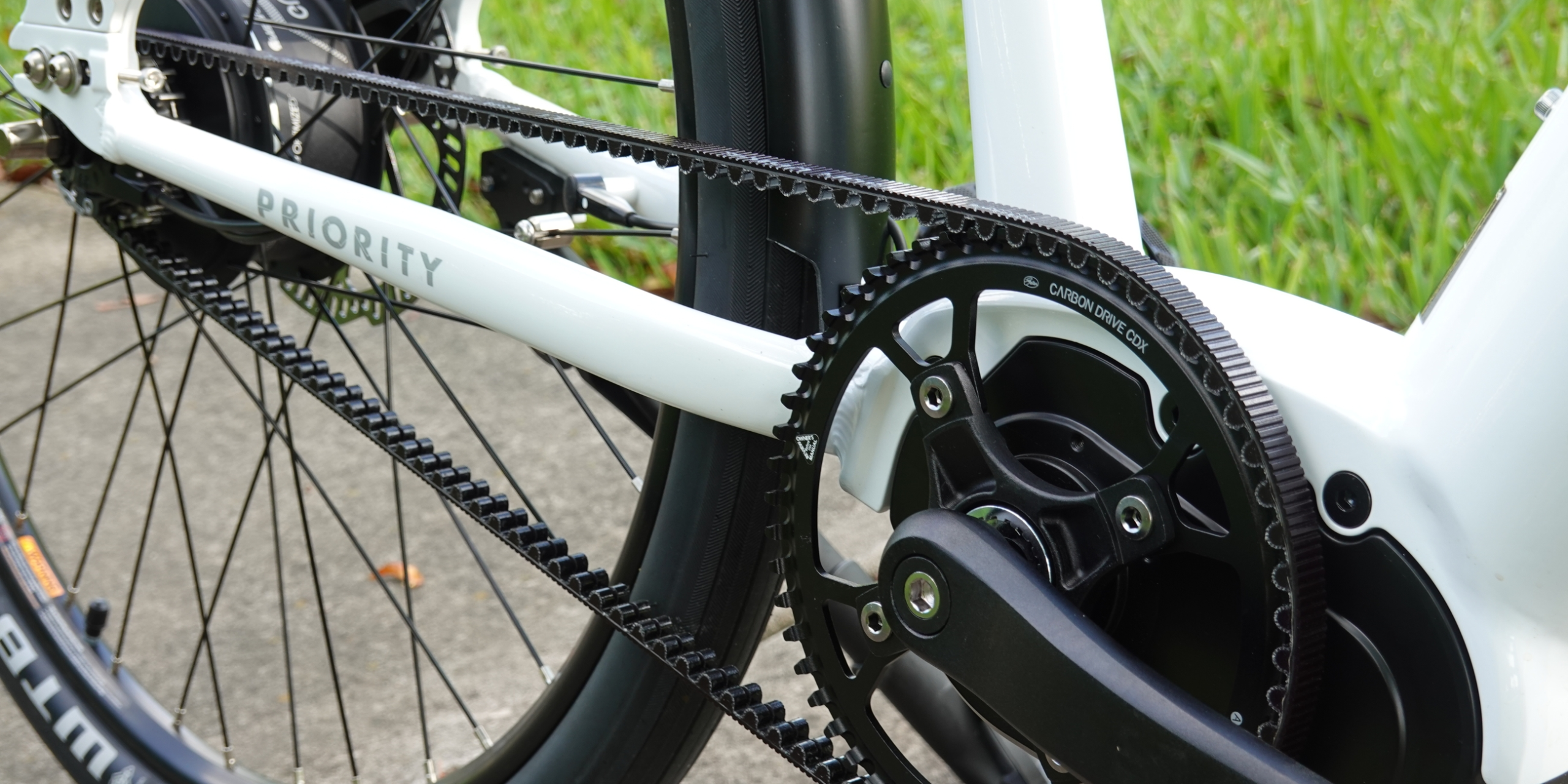
At its core, a belt drive ebike replaces the conventional steel chain with a reinforced belt, typically made from carbon fiber strands embedded in polyurethane. Instead of meshing metal links with sprockets, the belt engages with specially designed pulleys that provide consistent torque transfer.
Unlike chains, belts do not rely on lubrication. They resist stretching, do not rust, and operate almost silently. These characteristics align naturally with electric bikes, where smooth and predictable power delivery enhances comfort and control.
In my early experience riding a belt-driven electric bike, the absence of chain noise was immediately noticeable. Acceleration felt fluid rather than mechanical. Over time, the lack of grease and maintenance became even more valuable, especially during rainy commutes and dusty conditions.
Why the Belt Drive Ebike Is Gaining Popularity
The rise of the belt drive ebike is not driven by novelty alone. It reflects a shift in how riders define value. Today’s riders want reliability, efficiency, and minimal upkeep without sacrificing performance.
Urban commuters appreciate the clean drivetrain that never stains clothing. Long-distance riders value durability and consistent performance. Even casual riders enjoy the quiet confidence of a system that simply works.
Manufacturers are also responding to this demand. As frame design and internal gear hubs improve, belt drives are no longer niche features but integral components of premium and mid-range electric bikes.
Ride Quality and Performance Advantages
One of the most compelling reasons to choose a belt drive ebike is ride quality. Belt systems deliver power smoothly, reducing vibration and drivetrain noise. This creates a more relaxed riding experience, particularly noticeable during long rides or stop-and-go traffic.
Electric motors amplify drivetrain imperfections. Chains can rattle, stretch, and require constant adjustment. Belts, by contrast, maintain consistent tension and alignment, ensuring that motor output feels controlled rather than abrupt.
From a performance perspective, belt drives handle torque exceptionally well when paired with mid-drive motors. The result is efficient energy transfer and predictable acceleration, especially on inclines and uneven terrain.
Maintenance and Longevity: A Practical Perspective
Maintenance is often overlooked until it becomes inconvenient. Traditional chain systems demand cleaning, lubrication, and eventual replacement. Exposure to water, dust, and road debris accelerates wear.
A belt drive ebike significantly reduces these concerns. Belts require no lubrication, are resistant to corrosion, and can last two to three times longer than chains. For riders who rely on their ebike daily, this translates into lower lifetime costs and fewer interruptions.
From personal ownership experience, the peace of mind alone is worth noting. Months of riding without adjusting or cleaning the drivetrain changes how one relates to the bike. It becomes a dependable tool rather than a constant project.
Belt Drive Ebike and Internal Gear Hubs
Most belt drive ebike systems are paired with internal gear hubs rather than traditional derailleurs. This pairing enhances durability and complements the belt’s low-maintenance nature.
Internal gear hubs allow shifting while stationary, which is particularly useful in urban traffic. They are sealed against the elements and require minimal servicing. Combined with a belt drive, the result is a drivetrain that thrives in real-world conditions rather than ideal ones.
While internal hubs may feel unfamiliar to riders accustomed to derailleur systems, the learning curve is short. The benefit is a cleaner, more robust system that prioritizes function over complexity.
Environmental and Sustainability Considerations
Sustainability is an increasingly important factor in transportation choices. The belt drive ebike contributes positively in this area. Longer component lifespan means fewer replacements and reduced material waste.
Additionally, the absence of lubricants reduces environmental contamination. This may seem minor, but over thousands of bikes and years of use, the impact becomes meaningful.
Choosing a belt-driven electric bike aligns well with environmentally conscious mobility without compromising performance or convenience.
Cost Considerations and Value Over Time
It is important to acknowledge that a belt drive ebike often comes with a higher initial price compared to chain-driven alternatives. This can be a barrier for some buyers.
However, cost should be evaluated over the bike’s full lifespan. Reduced maintenance, fewer replacement parts, and longer service intervals balance the initial investment. For riders who log consistent mileage, the total cost of ownership can be surprisingly favorable.
From a value perspective, belt drive systems make the most sense for commuters, professionals, and riders who prioritize reliability over customization.
Who Should Choose a Belt Drive Ebike?
A belt drive ebike is not designed for every rider, but it excels in specific use cases. Urban commuters benefit the most due to minimal maintenance and clean operation. Riders in wet or dusty climates also see significant advantages.
Those who prefer simplicity and consistency over frequent tuning will appreciate this design. On the other hand, riders who enjoy mechanical customization or aggressive off-road riding may prefer traditional chain systems for their flexibility.
Understanding your riding style and expectations is key to making the right choice.
Pros and Cons of a Belt Drive Ebike
| Aspect | Pros | Cons |
|---|---|---|
| Maintenance | No lubrication, minimal upkeep | Limited roadside repair options |
| Durability | Long lifespan and corrosion resistance | Higher upfront cost |
| Ride Quality | Quiet, smooth, vibration-free | Less common than chain systems |
| Cleanliness | No grease or oil stains | Requires compatible frame design |
| Sustainability | Environmentally friendly | Fewer aftermarket upgrades |
Common Myths About Belt Drive Ebikes
There is a misconception that belt drives are fragile or unsuitable for powerful motors. In reality, modern belt systems are engineered to handle high torque efficiently. When properly designed, they are exceptionally robust.
Another myth is that belts are difficult to replace. While they require specific frames, replacement intervals are infrequent, and professional servicing is straightforward.
Understanding these realities helps buyers make confident decisions rather than relying on outdated assumptions.
Choosing the Right Belt Drive Ebike
Selecting the right belt drive ebike involves more than just the drivetrain. Motor placement, battery capacity, frame geometry, and intended use all matter.
Look for models with proven belt systems, reputable internal gear hubs, and manufacturer support. Test riding is strongly recommended, as the feel of a belt drive differs subtly from a chain and personal preference plays a role.
A well-chosen ebike should feel intuitive, balanced, and reliable from the first ride.
FAQs About Belt Drive Ebikes
What makes a belt drive ebike different from a chain-driven one?
A belt drive ebike uses a reinforced belt instead of a metal chain, resulting in quieter operation, lower maintenance, and increased durability.
Are belt drive ebikes suitable for daily commuting?
Yes, they are ideal for commuting due to their clean operation, reliability, and minimal upkeep requirements.
Do belt drive ebikes require special frames?
Most belt drive ebikes require frames with a split rear triangle to install the belt, as belts cannot be broken and rejoined like chains.
Can a belt drive handle high motor torque?
Modern belt systems are designed to handle the torque produced by mid-drive electric motors efficiently and reliably.
Are belt drive ebikes worth the extra cost?
For riders who value long-term reliability, reduced maintenance, and a refined riding experience, the investment is often justified.
The Middle Ground: Where Belt Drive Ebikes Truly Shine
In the broader conversation about electric mobility, the belt drive ebike occupies a thoughtful middle ground. It is not focused on extreme performance or aggressive styling. Instead, it prioritizes everyday usability, engineering elegance, and rider comfort.
This balance is what makes it appealing to a wide and diverse group of riders. It supports different lifestyles, commuting needs, and personal preferences without reinforcing stereotypes or limiting accessibility.
From my professional perspective, this design represents a mature approach to ebike development, where refinement matters as much as innovation.
Future Trends in Belt Drive Ebike Technology
As materials science advances and manufacturing scales improve, belt drive systems are expected to become more accessible. Lighter belts, more efficient hubs, and integrated smart systems are already emerging.
We are also seeing improved compatibility with different riding styles, including touring and light off-road use. This evolution suggests that belt drive ebikes will continue to grow beyond niche markets into mainstream adoption.
Manufacturers investing in this technology are signaling confidence in its long-term relevance.
Conclusion: Is a Belt Drive Ebike Right for You?
Choosing a belt drive ebike is ultimately a decision about priorities. If you value quiet operation, long-term reliability, minimal maintenance, and a refined riding experience, this drivetrain offers compelling advantages.
It may not suit every rider or budget, but for those who see their ebike as a dependable partner rather than a mechanical hobby, the benefits are clear. Over time, the simplicity becomes a luxury, and the reliability becomes a standard you may not want to give up.
As electric mobility continues to evolve, the belt drive ebike stands as a thoughtful reminder that sometimes, the most impactful innovations are the ones that quietly improve everyday life.

