

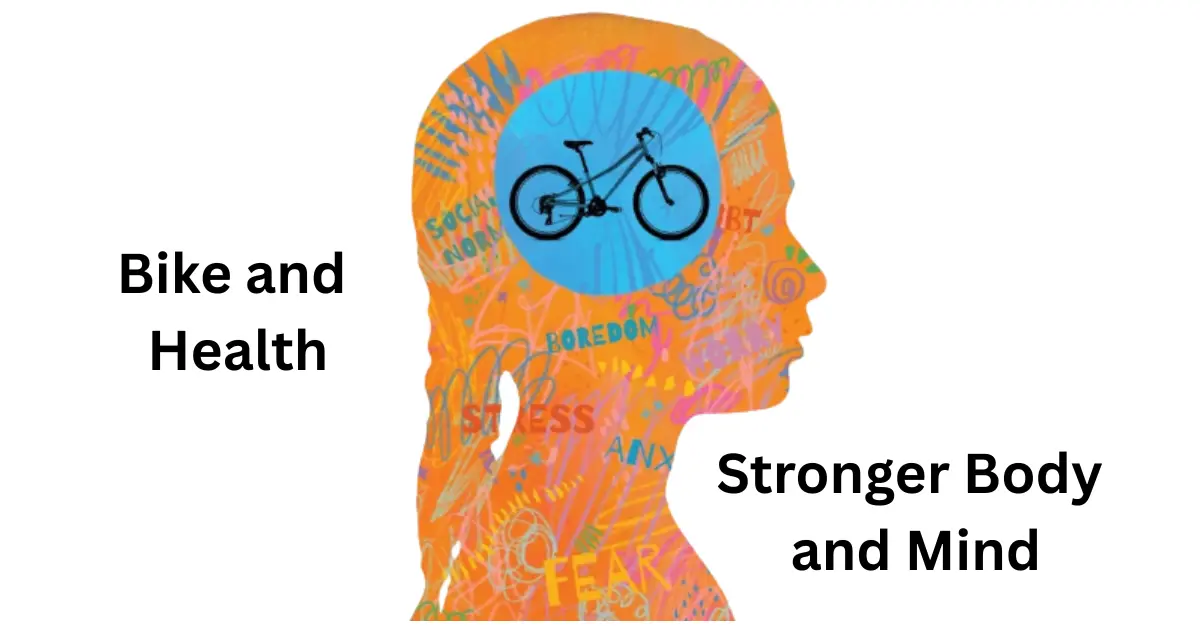
Why Cycling Has Become a Health Game Changer
Cycling has slowly turned into one of the most popular ways to take care of personal health without needing expensive gear, advanced training, or long workout schedules. What excites me the most is how cycling easily fits into everyday life. Bike and health are related to each others. It works as a time-efficient activity that can be done in many places, at different times, and it does not require special knowledge. Whether someone rides indoors on a training machine or outdoors on hills, narrow streets, or parks, the benefits are truly impressive.
Since the day I learned to ride a bike, I realized how most people know that once you learn, you never forget. It becomes a lifelong skill. Even better, this simple action of pushing the pedal repeatedly acts as a muscle workout that uses major muscle groups without heavy lifting. It is a low impact activity that causes less strain and fewer injuries compared to many physical activities like running or jumping workouts.
How Cycling Helps Achieve General Improvement in Health
Cycling offers general improvement in how the body performs. Anyone can achieve better stamina, strength, and overall aerobic fitness with just two to four hours per week. That means only a few hours are enough to get fit and stay active. The routine can be very low intensity or intense, depending on what you want. This makes cycling perfect for people recovering from an injury or illness while also challenging enough for athletes who enjoy demanding workouts.
It does not matter if someone wants a peaceful ride for relaxation or an adventure full of excitement. Cycling offers a unique buzz that motivates a person to continue regularly and maintain habits that build a healthy exercise lifestyle.
A Closer Look at the Muscles Involved in Cycling
Major Muscle Groups That Benefit While Pedaling
The action of pushing the pedal uses the leg muscles continuously. This makes cycling a muscle workout that targets major muscle groups like:
- Quadriceps
- Hamstrings
- Glutes
- Calves
The upper body also gets involved for balance and support. Over time, strength increases, and so does stamina.
Why Cycling Is Less Strain for Joints
Cycling’s low impact nature causes less strain on knees, ankles, and hips. That is the reason people of different ages can enjoy it comfortably without worrying about high-pressure forms of exercise that could lead to injuries.
Outdoor Cycling: A Natural Way to Get Fit
Riding outdoors brings fresh air, sunlight, and changing scenery. Whether someone is coasting down small slopes or climbing hills, each moment adds to the fun. These simple outdoor challenges make the body built stronger without constant stress. I personally enjoy how every new route feels like a mini-vacation. It combines fun, nature, and exercise in one activity.
Indoor Cycling: A Convenient Option for Everyone
Not everyone has safe roads, proper paths, or free time to go outside. That is when exercising indoors on stationary bikes becomes helpful. Indoor cycling does not need special weather or specific places, yet it still offers the same health results. Many gyms use indoor cycling as a physical workout program where people push hard together, producing an energetic atmosphere.
Short on Time? Cycling Fits Right In
We live in a busy world where delays, heavy schedules, and constant tasks make exercise difficult. Cycling is among the most time-efficient activities. It does not demand long preparation. A short ride can burn calories, boost the heart rate, and improve aerobic fitness without delaying other tasks. Choosing a mode of transport like cycling saves time because it also replaces sedentary sitting, especially while driving motor vehicles, trams, trains, or buses.
Replacing Sedentary Sitting with Movement
Sedentary sitting while traveling has become one of the biggest problems affecting modern health. Instead of sitting in cars or waiting for motor vehicles, trams, trains, or buses, cycling allows movement while going from one place to another. What amazes me is how easily it turns a boring commute into a workout session that helps people get fit without paying extra or wasting hours.
Cycling as a Safe Option for All Fitness Levels
Very Low Intensity Cycling
People recovering from injury or illness can choose very low intensity rides. These rides maintain joint mobility and improve blood circulation without pressure.
Intense Cycling
Those who want intense workouts can choose long distances, sprinting, or riding on hills. This becomes both a challenging physical workout and an adventure.
The Fun Factor: Why People Continue Cycling Regularly
Cycling is fun. You feel the buzz of wind, the excitement of speed, and the joy of exploring different places. This emotional satisfaction encourages people to continue regularly more than many sports. When exercise does not feel like a chore, it becomes easy to stick to.
Result: Cycling Works for Everyone
Families, students, office workers, and older adults all benefit from cycling. Unlike many workout forms that require special training or equipment, cycling is easy. Since most people know how to ride a bike, they can quickly start a healthy exercise habit at any age.
FAQs About Cycling and Health
1. How many hours a week should I cycle for good health?
Only two to four hours per week are enough to achieve visible improvement in overall health.
2. Is cycling good for people recovering from an injury?
Yes. Very low intensity cycling is perfect for people recovering from an injury or illness.
3. Which muscles does cycling strengthen?
Cycling uses major muscle groups and works as a muscle workout, improving strength and stamina.
4. Is cycling better compared to other physical activities?
Cycling is low impact, causes less strain, requires special gear only in a few cases, and is suitable for most people.
5. Can cycling replace daily transportation?
Yes. It is a mode of transport that replaces sedentary sitting in motor vehicles, trams, trains, and buses.
Conclusion
Cycling is more than a simple ride. It is a powerful blend of fun, exercise, and health improvement. Whether someone chooses indoors, steep hills, relaxed routes outdoors, very low intensity, or intense challenges, cycling fits perfectly into both fitness and daily life. With only a few hours, from two to four hours per week, anyone can enjoy a full-body physical workout that strengthens major muscle groups, boosts aerobic fitness, causes less strain, and reduces injuries, all while offering an energizing adventure and helping them get fit. Cycling truly stands as one of the most practical and time-efficient healthy exercise choices today.

