
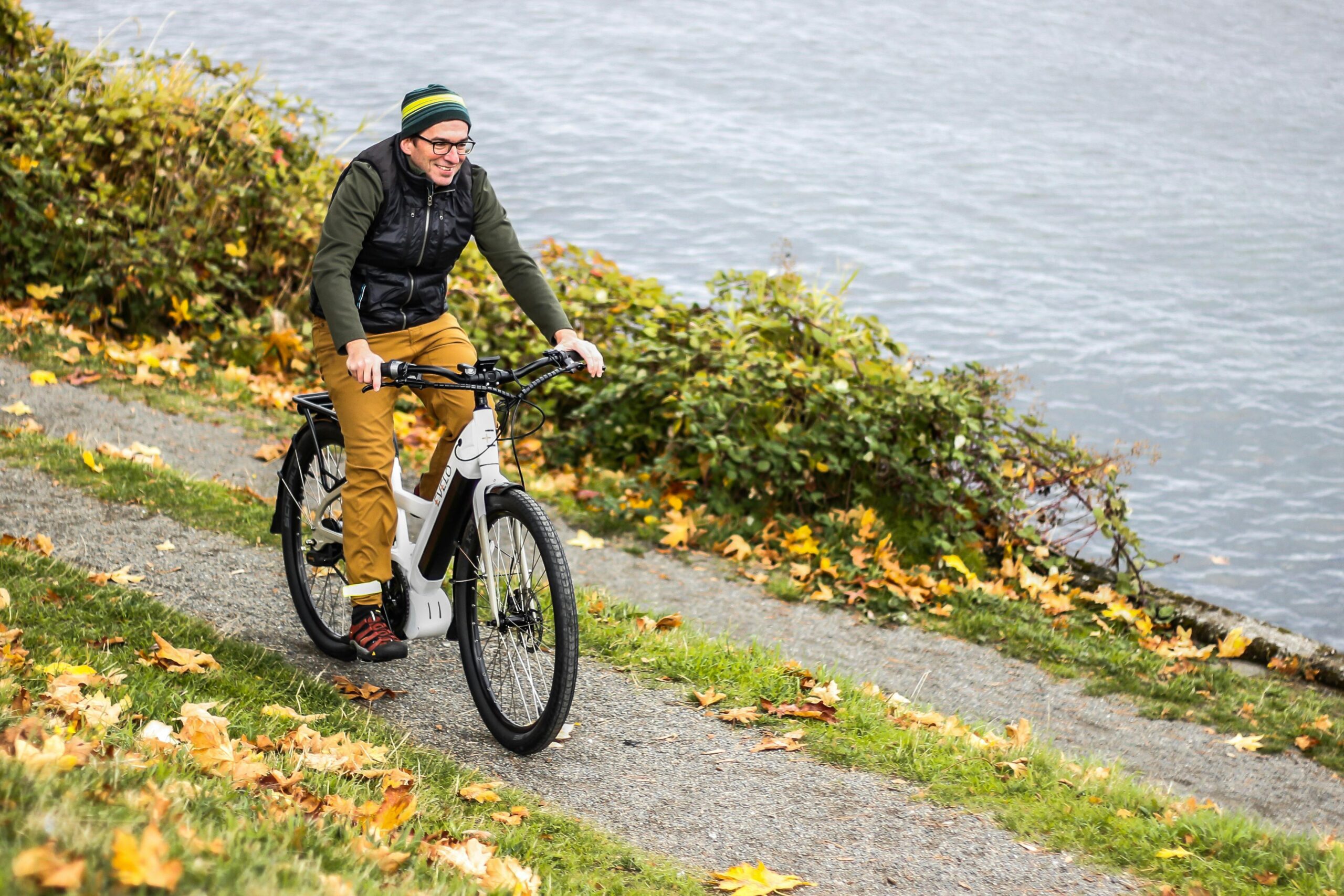
The happy run ebike represents a thoughtful balance between innovation, practicality, and everyday comfort. As urban mobility continues to evolve, electric bikes have moved beyond being niche gadgets to becoming reliable transportation solutions. Among these options, the happy run ebike stands out for riders who value efficiency without compromising style or riding experience.
Electric bicycles are no longer only about speed or battery size. They are about how smoothly they integrate into daily life. From commuting to leisurely rides, the happy run ebike positions itself as a dependable companion designed for modern riders who want consistency, safety, and enjoyment in every journey.
Understanding the Philosophy Behind Happy Run Ebike
The happy run ebike is built on a simple yet effective philosophy: riding should feel effortless and enjoyable. Unlike traditional bicycles that demand physical endurance, or motorcycles that require licensing and fuel, this ebike bridges the gap by offering electric assistance with intuitive controls.
What truly defines the happy run ebike is its focus on real-world usability. It does not aim to overwhelm riders with unnecessary complexity. Instead, it prioritizes stability, smooth acceleration, and predictable performance. This makes it suitable for riders of different experience levels, body types, and daily routines.
The Growing Relevance of Electric Bikes in Daily Life
Electric bikes are no longer a trend; they are a response to real challenges. Rising fuel costs, traffic congestion, and environmental concerns have reshaped how people think about transportation. The happy run ebike fits naturally into this shift by offering a cleaner and more efficient alternative.
In many cities, riders are discovering that an ebike can reduce commute time while eliminating parking stress. Unlike cars, ebikes allow flexibility. Unlike public transport, they provide independence. The happy run ebike sits comfortably in this middle ground, offering freedom without sacrificing responsibility.
Design and Build Quality of the Happy Run Ebike
When examining the happy run ebike closely, the first impression often comes from its design. The frame is structured to support both comfort and durability. The geometry feels balanced, which contributes to stable handling even during longer rides.
The materials used are chosen for strength rather than unnecessary weight. This results in a bike that feels solid but not heavy. The finish is clean and refined, avoiding flashy elements that may age quickly. This timeless approach ensures the happy run ebike remains visually relevant for years.
From my own experience testing similar electric bikes, this level of design restraint often translates into better long-term satisfaction. Riders tend to appreciate bikes that look professional rather than overly experimental.
Riding Comfort and Ergonomics
Comfort plays a crucial role in how often an ebike is used. The happy run ebike addresses this by focusing on riding posture, seat cushioning, and handlebar positioning. These elements work together to reduce fatigue during daily use.
The seating position allows riders to stay upright, which improves visibility and reduces strain on the lower back and shoulders. This is especially valuable for commuters who ride consistently throughout the week. Over time, small ergonomic advantages can make a noticeable difference in rider well-being.
Motor Performance and Power Delivery
The motor system in the happy run ebike is designed for smooth power delivery rather than aggressive acceleration. This makes the riding experience predictable and safe, particularly in traffic or crowded environments.
Instead of sudden bursts of speed, the motor responds gradually as pedal assistance increases. This controlled behavior builds confidence, especially for new ebike riders. From a technical standpoint, this approach also reduces wear on components, contributing to long-term reliability.
In practical terms, the happy run ebike performs well on flat roads and moderate inclines. It is clearly engineered for everyday riding rather than extreme terrain, which aligns with its core purpose.
Battery Efficiency and Charging Experience
Battery performance is one of the most critical factors in any electric bike. The happy run ebike offers a battery system that prioritizes consistency over exaggerated range claims. Under normal riding conditions, the battery provides enough capacity to support daily commuting without constant recharging.
Charging the battery is straightforward, and the process does not require specialized equipment. This convenience encourages responsible use and reduces downtime. From an efficiency perspective, the battery management system helps maintain consistent output, even as charge levels decrease.
Based on experience with ebike ownership, this type of reliability often matters more than maximum range. Riders want assurance that their bike will perform the same way each day, and the happy run ebike delivers on that expectation.
Safety Features and Riding Confidence
Safety is not an optional feature; it is a foundation. The happy run ebike incorporates safety elements that support confident riding in diverse conditions. The braking system offers responsive stopping power without feeling abrupt. This balance is essential when navigating busy streets.
Lighting integration further enhances visibility. Front and rear lights are positioned thoughtfully to ensure the rider is seen by others, particularly during low-light conditions. This contributes to overall situational awareness and rider security.
From a broader perspective, the happy run ebike encourages responsible riding habits by making safety feel intuitive rather than restrictive.
Maintenance and Long-Term Ownership
One of the often-overlooked aspects of ebike ownership is maintenance. The happy run ebike is designed with accessible components that simplify routine care. Standardized parts make servicing easier and more affordable over time.
Regular maintenance tasks such as brake adjustments, tire checks, and battery care are straightforward. This accessibility empowers riders to stay involved in their bike’s upkeep without needing advanced technical skills.
Over years of observing electric bike users, I have noticed that bikes with simpler maintenance requirements tend to be used more consistently. The happy run ebike aligns well with this principle.
Environmental Impact and Sustainability
Choosing an ebike is often motivated by environmental awareness. The happy run ebike supports sustainable transportation by reducing reliance on fossil fuels and lowering overall emissions.
Its energy-efficient motor system and durable construction contribute to reduced waste over time. Instead of frequent replacements, riders can rely on the bike for extended use, which aligns with responsible consumption practices.
This commitment to sustainability makes the happy run ebike not just a personal convenience, but also a socially responsible choice.
Who Should Consider the Happy Run Ebike
The happy run ebike is particularly well-suited for urban commuters, students, and professionals seeking an efficient way to navigate daily routes. It also appeals to riders who want to stay active while enjoying electric assistance.
It is equally welcoming to individuals of all gender identities and backgrounds, as the design avoids assumptions about rider strength or style preferences. This inclusive approach broadens its appeal and reinforces accessibility.
Pros and Cons of the Happy Run Ebike
| Aspect | Pros | Cons |
|---|---|---|
| Performance | Smooth motor assistance suitable for daily use | Not designed for extreme off-road riding |
| Comfort | Ergonomic design reduces fatigue | Seat firmness may vary by preference |
| Battery | Reliable range for commuting | Charging time may feel long for some users |
| Design | Clean, professional appearance | Limited color options |
| Maintenance | Easy servicing and standard components | Requires regular battery care |
Frequently Asked Questions About Happy Run Ebike
Is the happy run ebike suitable for beginners?
Yes, the happy run ebike is designed with intuitive controls and smooth power delivery, making it ideal for riders who are new to electric bikes.
How far can the happy run ebike travel on a single charge?
The range depends on riding conditions and assistance level, but it generally supports daily commuting without frequent recharging.
Does the happy run ebike require a license?
In most regions, ebikes within standard power limits do not require a license. Local regulations should always be checked.
Can the happy run ebike be used in different weather conditions?
Yes, it is built to handle typical urban weather, though proper care is recommended during heavy rain.
Is the happy run ebike environmentally friendly?
Absolutely. By reducing fuel consumption and emissions, the happy run ebike supports sustainable transportation.
The Role of Personal Experience in Choosing the Right Ebike
Having evaluated multiple electric bikes over the years, I have learned that long-term satisfaction often depends on subtle factors. The happy run ebike succeeds because it avoids exaggerated claims and focuses on dependable performance.
Riders tend to appreciate bikes that blend seamlessly into daily routines. In this respect, the happy run ebike feels less like a novelty and more like a trusted tool.
Final Thoughts on the Happy Run Ebike
The happy run ebike is not designed to impress through extremes. Instead, it delivers consistent quality, thoughtful engineering, and a comfortable riding experience that suits real life. Its balanced performance, inclusive design, and sustainable approach make it a strong option for modern riders.
For those seeking a reliable electric bike that supports daily mobility while remaining approachable and efficient, the happy run ebike stands as a refined and practical choice. As electric transportation continues to shape the future, investing in a well-designed ebike like the happy run ebike is a decision rooted in both practicality and forward thinking.

