
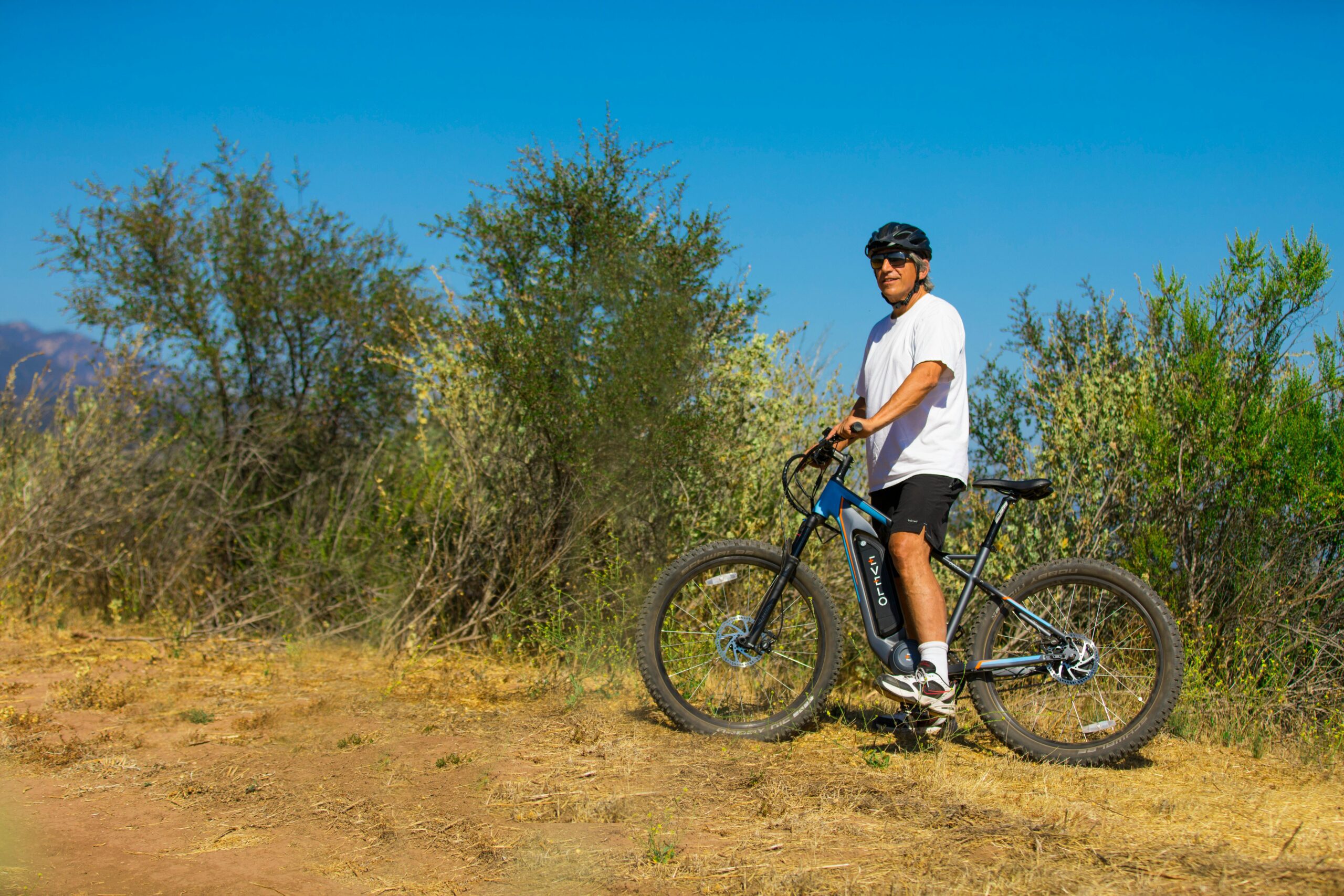
Hunting ebike technology has reshaped the way modern hunters approach the outdoors, blending tradition with innovation in a way that respects land, wildlife, and the hunter’s own endurance. In the first moments of any hunt, preparation sets the tone. Mobility, silence, and efficiency matter. Over the years, I have watched—and personally experienced—how electric bicycles designed for hunting transform long approaches, steep climbs, and gear-heavy days into focused, energy-smart excursions. This guide explores the hunting ebike in depth, from design principles and performance to ethics, legality, and practical field insights, offering a clear, balanced perspective for anyone considering this tool.
The Rise of the Hunting eBike in Modern Hunting Culture
The adoption of electric bicycles in hunting did not happen overnight. It emerged as landscapes expanded, access routes grew longer, and hunters sought quieter alternatives to ATVs and trucks. A hunting ebike bridges that gap. It allows you to move farther than walking alone while maintaining a low acoustic and visual footprint. This evolution aligns with a broader shift toward sustainable outdoor practices, where minimizing impact is as important as success.
Unlike recreational e-bikes, a hunting ebike prioritizes torque, stability, and cargo capability. Frames are reinforced, tires are wider, and motors deliver controlled power at low speeds. Over time, manufacturers refined these features in response to real-world use, feedback from hunters, and the need for reliability in remote terrain.
What Defines a True Hunting eBike
A hunting ebike is not simply an electric bicycle painted in camouflage. Its identity is defined by performance under load, resilience across terrain, and the ability to operate quietly. Torque-focused motors provide steady assistance on steep inclines without sudden surges. Battery systems are designed for extended range at lower speeds, preserving power during long approaches and returns.
From my experience, the difference becomes clear when hauling equipment before dawn. The bike remains composed, the motor hum is barely perceptible, and the ride feels intentional rather than hurried. This sense of control is the hallmark of a well-designed hunting ebike.
Design and Engineering for the Field
Engineering choices determine whether an e-bike thrives or struggles in hunting environments. Frames often use aluminum alloys or carbon-reinforced composites to balance strength and weight. Suspension systems are tuned to absorb roots, rocks, and uneven ground without excessive bounce that could compromise stability.
Tires deserve special attention. Fat tires with aggressive tread patterns provide traction on mud, snow, and loose gravel. They also dampen vibration, contributing to stealth. Braking systems, typically hydraulic disc brakes, ensure reliable stopping power even when descending with cargo.
Battery placement is another critical element. Integrated batteries lower the center of gravity, improving handling. Weather sealing protects electronics from rain, dust, and temperature extremes, which is essential for multi-season use.
Stealth and Silence: Why Hunters Choose eBikes
Silence is a strategic advantage. Traditional vehicles introduce noise and scent, alerting wildlife long before a hunter arrives. A hunting ebike, when used responsibly, reduces both. Pedal-assist modes allow you to move quietly, blending human effort with subtle electric support.
In practice, this means reaching locations that were previously impractical without disturbing the area. I recall a late-season hunt where the approach trail was frozen and narrow. The hunting ebike glided through without the crunch of heavy tires or engine noise, preserving the calm of the morning.
Range, Power, and Battery Management
Range anxiety is common among first-time users, but modern hunting ebike batteries are built for efficiency. Real-world range depends on terrain, load, assist level, and temperature. Hunters often favor lower assist modes to extend battery life while maintaining a natural cadence.
Carrying a spare battery is an option for extended trips, though weight and cost must be considered. Smart battery management, including pre-charging and temperature awareness, ensures reliability. Over time, learning how your bike responds to conditions becomes second nature, much like understanding a trusted rifle or bow.
Terrain Versatility and Seasonal Adaptability
A hunting ebike excels across seasons. In early fall, it navigates dry trails and rolling hills with ease. As winter approaches, fat tires and torque assist maintain traction on snow and ice. Spring mud presents challenges, but proper tire pressure and controlled power mitigate slippage.
This adaptability reduces the need for multiple vehicles or excessive walking. It also encourages exploration of less accessible areas, expanding opportunities while maintaining respect for land boundaries and regulations.
Ethical Considerations and Fair Chase Principles
Ethics remain central to hunting culture. The use of a hunting ebike raises valid questions about fair chase. When used responsibly, it supports ethical hunting by reducing physical strain without replacing skill, patience, or respect for wildlife.
Most hunters use e-bikes for access rather than pursuit. The bike helps reach a location, after which traditional methods apply. This distinction preserves the essence of the hunt while acknowledging modern realities. Ethical use also involves adhering to local regulations and land-use policies.
Legal Landscape and Regulations
Laws governing hunting ebike use vary by region. Some areas permit e-bikes on designated trails, while others restrict motorized access. Understanding classifications—such as Class 1, Class 2, and Class 3 e-bikes—is essential.
From experience, consulting local wildlife agencies and land managers before a season begins prevents misunderstandings. Compliance protects not only the hunter but also the broader acceptance of e-bikes within hunting communities.
Gear Transport and Load Capacity
Transporting gear efficiently is one of the strongest advantages of a hunting ebike. Rear racks, panniers, and trailers expand carrying capacity without compromising balance. This capability reduces fatigue and allows for safer transport of harvested game.
In the field, a stable load distribution matters. Well-designed mounting points and reinforced frames ensure that weight remains manageable, even on uneven terrain. This practical benefit often becomes the deciding factor for hunters transitioning from traditional methods.
Maintenance and Longevity in Harsh Conditions
Durability determines value. A hunting ebike must withstand mud, moisture, and temperature fluctuations. Regular maintenance, including cleaning, lubrication, and battery care, extends lifespan.
I recommend treating the bike as essential gear rather than a novelty. Routine checks before and after trips build confidence and prevent minor issues from becoming major setbacks. Over time, this care fosters a reliable partnership between hunter and machine.
Cost Considerations and Value Assessment
The initial investment in a hunting ebike can be significant. However, value extends beyond price. Reduced fuel costs, lower maintenance compared to motorized vehicles, and improved access contribute to long-term savings.
Evaluating cost also involves considering how often the bike will be used across seasons. For many, the hunting ebike becomes a year-round companion for scouting, training, and recreation, further justifying the expense.
Environmental Impact and Sustainability
Environmental stewardship is integral to responsible hunting. Electric bicycles produce minimal emissions and reduce trail erosion compared to heavier vehicles. Their quiet operation minimizes disturbance, supporting conservation goals.
Choosing a hunting ebike aligns with a broader commitment to preserving natural spaces for future generations. This alignment resonates with hunters who value both tradition and progress.
Integrating Technology Without Losing Tradition
Technology should enhance, not overshadow, the hunting experience. A hunting ebike achieves this balance when used thoughtfully. It supports preparation and access while leaving the core skills—observation, patience, and respect—unchanged.
In my own journey, the bike became a tool rather than a crutch. It allowed me to focus energy on the hunt itself, reinforcing rather than replacing the connection to nature.
Pros and Cons of Using a Hunting eBike
| Aspect | Pros | Cons |
|---|---|---|
| Mobility | Extends range with less fatigue and faster access | Requires charging and battery planning |
| Stealth | Quieter than motorized vehicles | Still subject to noise if misused |
| Load Capacity | Efficient transport of gear and game | Added weight affects handling |
| Environmental Impact | Low emissions and reduced trail damage | Manufacturing footprint |
| Cost | Long-term savings on fuel and maintenance | Higher upfront investment |
| Accessibility | Opens terrain to diverse physical abilities | Regulatory restrictions in some areas |
Frequently Asked Questions About Hunting eBikes
What makes a hunting ebike different from a regular e-bike?
A hunting ebike is engineered for torque, stability, and load-bearing rather than speed. It features reinforced frames, wider tires, and quiet motors suited for off-road environments.
Are hunting eBikes legal on public hunting lands?
Legality varies by region and land designation. Always consult local regulations to ensure compliance before use.
Do hunting eBikes affect fair chase ethics?
When used for access rather than pursuit, they align with ethical hunting practices. Responsible use respects wildlife and regulations.
How far can a hunting ebike travel on a single charge?
Range depends on terrain, load, and assist level. Many models offer sufficient range for a full day of hunting with proper management.
Is maintenance complicated in the field?
Basic maintenance is straightforward. Regular cleaning and battery care ensure reliability even in harsh conditions.
Can a hunting ebike be used year-round?
Yes, with appropriate tires and maintenance, it adapts well to seasonal changes.
Practical Tips for First-Time Buyers
Choosing the right hunting ebike involves aligning features with personal needs. Test rides reveal handling characteristics that specifications cannot. Pay attention to motor responsiveness, brake feel, and overall comfort.
Consider support and warranty options. Reliable service enhances peace of mind, especially for remote use. Over time, familiarity with the bike builds confidence and efficiency.
The Middle Ground: Tradition Meets Innovation
At the heart of this discussion lies balance. The hunting ebike represents a middle ground where tradition meets innovation. It respects the past while addressing present-day challenges. In the middle of a long season, when energy wanes and terrain tests resolve, the bike becomes a quiet ally.
Conclusion: The Future of Hunting with eBikes
The hunting ebike stands as a thoughtful response to modern hunting realities. It enhances access, supports sustainability, and preserves ethical standards when used responsibly. Through careful design and mindful application, it becomes more than equipment; it becomes part of the hunting narrative.
As technology continues to evolve, the role of the hunting ebike will likely expand. For those willing to embrace it with respect and intention, it offers a refined, efficient, and ethical way to engage with the outdoors. In the end, the hunting ebike is not about replacing tradition but enriching it—quietly, responsibly, and with purpose.

