
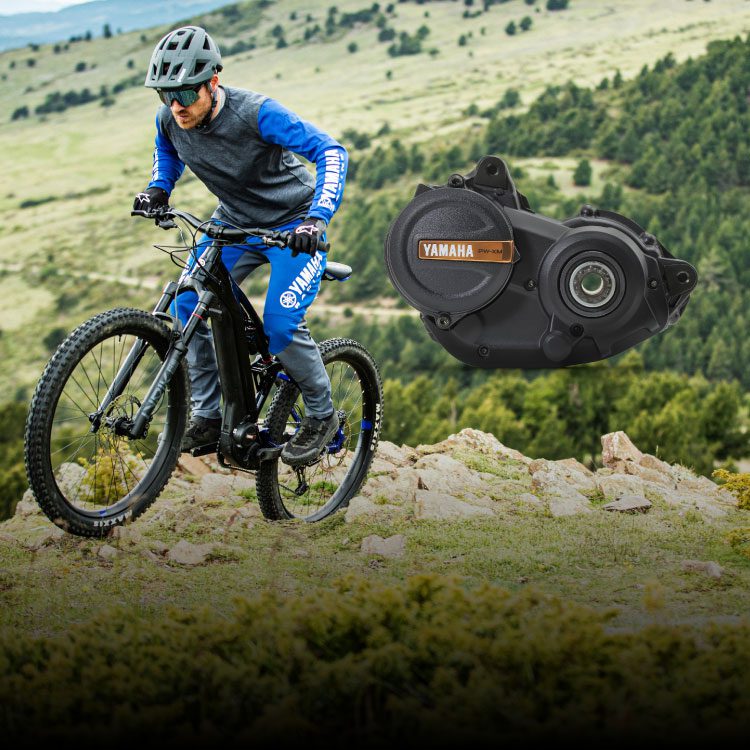
The Yamaha ebike has quietly but confidently positioned itself as a benchmark in the modern electric bicycle industry. From its engineering heritage to its rider-focused technology, Yamaha brings decades of motor innovation into a product category that values efficiency, sustainability, and everyday usability. In the first moments of riding a Yamaha ebike, it becomes clear that this is not simply an electric bicycle enhanced with a motor, but a carefully balanced system designed to work in harmony with the rider.
As someone who has followed the evolution of electric mobility closely and tested multiple ebike brands over the years, I have consistently found Yamaha’s approach to be refined, practical, and technically sound. This article explores the Yamaha ebike ecosystem in depth, covering its design philosophy, performance, advantages, limitations, and real-world usability. Whether you are a commuter, a fitness enthusiast, or someone considering a cleaner transportation option, this guide is written to help you make an informed decision.
Understanding the Yamaha Ebike Philosophy
Yamaha is not new to electric mobility. In fact, the company was one of the earliest pioneers of pedal-assist systems, launching its first electric bicycle concept in the early 1990s. This long history shapes how Yamaha ebikes are built today. Rather than focusing on flashy features, Yamaha emphasizes reliability, natural ride feel, and long-term durability.
The Yamaha ebike philosophy centers on enhancing human effort rather than replacing it. Pedal-assist technology is tuned to feel intuitive, responding instantly to how much force the rider applies. This results in a ride that feels smooth and controlled, even on steep inclines or uneven terrain.
Another defining aspect is balance. Yamaha engineers focus heavily on weight distribution, motor placement, and frame geometry. This attention ensures stability, especially at higher speeds, and reduces fatigue during longer rides.
Evolution of Yamaha Ebikes Over the Years
The journey of the Yamaha ebike mirrors the broader evolution of electric bicycles. Early models were functional but limited in range and power. Over time, Yamaha refined its mid-drive motor systems, improving torque delivery, energy efficiency, and responsiveness.
Modern Yamaha ebikes now integrate advanced sensors that measure cadence, torque, and speed hundreds of times per second. This allows the motor to adjust assistance dynamically, making the ride feel more like an extension of your own pedaling effort rather than an external push.
Battery technology has also evolved significantly. Yamaha now offers high-capacity lithium-ion batteries that support longer rides without adding unnecessary bulk. Charging times have improved, and battery management systems are smarter, protecting cells from overcharging and deep discharge.
Design and Build Quality: Where Engineering Meets Elegance
One of the most noticeable strengths of a Yamaha ebike is its build quality. Frames are designed with precision, often using lightweight yet robust aluminum alloys. Welds are clean, finishes are durable, and components are selected for long-term use rather than short-term appeal.
The motor integration is particularly impressive. Yamaha’s mid-drive motors sit low and centered, contributing to a natural riding posture and excellent handling. Unlike hub motors that can make a bike feel rear-heavy, Yamaha’s design maintains balance across the entire frame.
From a personal standpoint, this attention to design becomes most apparent during extended rides. There is less strain on the wrists, better control during turns, and a general sense of confidence that encourages longer and more frequent use.
Performance and Riding Experience
Performance is where the Yamaha ebike truly stands out. Yamaha motors are known for their strong torque output, which is especially beneficial when climbing hills or carrying additional weight. Assistance feels immediate but never abrupt, allowing riders to maintain rhythm and control.
Acceleration is smooth, making urban commuting safer when navigating traffic. On open roads or trails, the motor support fades naturally as you approach speed limits, ensuring compliance with regulations while preserving a comfortable ride.
What sets Yamaha apart is consistency. Power delivery does not fluctuate unpredictably, even when battery levels drop. This reliability is something experienced riders appreciate, as it removes uncertainty from longer journeys.
Battery Life and Energy Efficiency
Battery performance plays a critical role in the overall ebike experience, and Yamaha handles this aspect with care. Most Yamaha ebike models offer multiple battery capacity options, allowing riders to choose based on their usage patterns.
Energy efficiency is enhanced through intelligent motor control. The system provides only the assistance needed, conserving power during flat terrain and deploying more energy when climbing or accelerating. This smart usage extends range and reduces charging frequency.
In real-world conditions, riders can comfortably complete daily commutes or recreational rides without range anxiety. From my own experience, Yamaha batteries tend to retain capacity well over time, which is an important consideration for long-term ownership.
Technology and Smart Features
While Yamaha ebikes are not overloaded with unnecessary digital features, they include essential technology that enhances usability. Displays are clear, easy to read, and provide relevant information such as speed, battery level, assist mode, and distance traveled.
Some models support connectivity options, allowing riders to track performance metrics and plan maintenance schedules. The interface remains intuitive, avoiding the steep learning curves often associated with overly complex systems.
This restrained use of technology reflects Yamaha’s philosophy of function over flash. The goal is to support the rider, not distract them.
Yamaha Ebike for Urban Commuting
Urban environments demand reliability, agility, and efficiency, and the Yamaha ebike delivers well in these areas. Compact frames, responsive motors, and stable handling make navigating city streets less stressful.
Stop-and-go traffic becomes manageable with quick acceleration and consistent pedal assist. Integrated lighting systems and compatibility with accessories like racks and fenders further enhance commuter practicality.
For professionals seeking a sustainable alternative to cars or public transport, Yamaha ebikes offer a dignified and dependable solution. They reduce commuting costs, lower environmental impact, and contribute to a healthier daily routine.
Yamaha Ebike for Fitness and Recreation
Contrary to the misconception that ebikes reduce physical activity, Yamaha ebikes actually encourage more consistent exercise. Pedal assist allows riders of varying fitness levels to enjoy longer rides without exhaustion.
Fitness-focused riders can adjust assist levels to maintain target heart rates while benefiting from extended range. Recreational users appreciate the ability to explore trails and scenic routes without worrying about energy limitations.
Personally, I have found that ebikes like Yamaha’s increase motivation to ride regularly. The balance between effort and assistance makes cycling accessible without removing its physical benefits.
Environmental Impact and Sustainability
Sustainability is an increasingly important factor in transportation choices, and the Yamaha ebike aligns well with eco-conscious values. By replacing short car trips, ebikes significantly reduce carbon emissions and urban congestion.
Yamaha’s manufacturing processes emphasize quality and longevity, reducing waste associated with frequent replacements. Durable components and efficient motors contribute to a lower environmental footprint over the product’s lifecycle.
Choosing a Yamaha ebike is not just a personal convenience; it is a meaningful step toward more sustainable mobility.
Pros and Cons of Yamaha Ebike
| Pros | Cons |
|---|---|
| Exceptional motor reliability and performance | Premium pricing compared to some competitors |
| Natural and smooth pedal-assist feel | Limited availability in certain regions |
| High-quality build and durable components | Fewer flashy smart features |
| Efficient battery management and long lifespan | Accessories may cost extra |
| Balanced design for comfort and control | Heavier than non-electric bikes |
How Yamaha Ebike Compares to Competitors
When compared to other ebike brands, the Yamaha ebike distinguishes itself through engineering depth rather than aggressive marketing. While some brands focus on high wattage or advanced apps, Yamaha prioritizes ride quality and system integration.
This approach appeals to riders who value long-term reliability over novelty. Yamaha motors are widely used by other manufacturers, which speaks to their trustworthiness and performance standards.
In competitive landscapes, Yamaha may not always be the cheapest option, but it consistently offers strong value through durability and refined performance.
Maintenance and Long-Term Ownership
Owning a Yamaha ebike is relatively straightforward. Regular maintenance mirrors that of traditional bicycles, with additional care for electrical components. Yamaha’s robust motor systems require minimal servicing when used as intended.
Battery care is simple, involving proper charging habits and storage practices. Yamaha provides clear guidelines, which helps extend battery lifespan.
Over time, the reliability of Yamaha systems translates into lower maintenance costs and fewer unexpected issues, a factor that experienced riders quickly learn to appreciate.
Who Should Choose a Yamaha Ebike
The Yamaha ebike is ideal for riders who value quality, consistency, and a refined riding experience. It suits daily commuters, recreational cyclists, and individuals seeking a sustainable mobility option without compromising comfort.
It may not be the best choice for those seeking the lowest price or cutting-edge digital features. However, for riders prioritizing engineering excellence and dependable performance, Yamaha remains a strong contender.
Frequently Asked Questions (FAQs)
Is a Yamaha ebike suitable for beginners?
Yes, Yamaha ebikes are well-suited for beginners due to their intuitive pedal-assist system and stable handling. Assistance levels can be adjusted easily as confidence grows.
How long does a Yamaha ebike battery last?
Battery lifespan depends on usage and care, but with proper maintenance, Yamaha batteries typically last several years while retaining good capacity.
Can a Yamaha ebike be used in the rain?
Yamaha ebikes are designed to handle wet conditions. Electrical components are sealed, though riders should avoid submerging the bike in water.
Does riding a Yamaha ebike still provide exercise?
Absolutely. Riders still pedal, and assistance can be adjusted to match fitness goals, making it an effective form of physical activity.
Are Yamaha ebikes worth the investment?
For riders who value reliability, comfort, and long-term performance, Yamaha ebikes offer strong value despite their higher initial cost.
Conclusion: Is the Yamaha Ebike the Right Choice for You?
The Yamaha ebike represents a thoughtful blend of tradition, innovation, and practical design. It does not chase trends or overwhelm riders with unnecessary features. Instead, it focuses on what truly matters: a natural ride feel, dependable performance, and long-term value.
From urban commuting to recreational exploration, Yamaha ebikes adapt seamlessly to different lifestyles. My own experience with Yamaha-powered systems has reinforced my confidence in their engineering and durability. They are bikes you grow with, not outgrow.
For anyone seeking a refined electric cycling experience built on decades of motor expertise, the Yamaha ebike stands as a reliable and respectable choice. As electric mobility continues to evolve, Yamaha remains a brand that quietly leads through quality and consistency, proving once again why the Yamaha ebike deserves serious consideration at both the beginning and the end of your buying journey.

